Mobile Detailing for Fleets: A Practical Guide for Fleet Managers
Keeping a fleet of vehicles presentable is more than a matter of pride. For logistics companies, construction firms, and service businesses across San Diego County, the condition of every truck and commercial van reflects directly on the brand. A clean, well-maintained fleet communicates reliability and attention to detail. But coordinating the cleaning of dozens of vehicles while keeping them in service creates a real logistical puzzle. That is where mobile detailing for fleets becomes a practical solution, not just a convenience.
Fleet managers in places like Chula Vista and the South Bay have to balance tight schedules, driver availability, and budget constraints. The old model of sending vehicles to a fixed-location wash bay or detail shop eats into operational time. Drivers lose hours sitting in waiting rooms, and vehicles sit idle when they could be on the road earning revenue. A mobile detailing service removes that friction by bringing the cleaning operation directly to the lot or depot.
What Makes Fleet Detailing Different from Consumer Detailing
A single car owned by an individual gets a different kind of care than a fleet vehicle. Consumer detailing often focuses on showroom-level perfection, with hours spent on a single vehicle. Fleet work, on the other hand, demands efficiency without cutting corners. The vehicles are workhorses, not weekend toys. They carry gear, mud, grease, and the occasional coffee spill. They also need to look professional for clients and the public.
Mobile detailing for fleets typically covers interior detailing and exterior washing in one visit. The interior side includes vacuuming, steam cleaning of upholstery and carpets, and wiping down all hard surfaces. For a commercial van used by a plumbing crew or a delivery truck that hauls food, that interior cleaning matters. It affects driver comfort, sanitation, and even the life of the seats and floor mats. On the exterior, a thorough wash removes road grime, bug splatter, and bird droppings. A pressure washer gets into wheel wells and undercarriages, areas that collect salt and debris in coastal climates.
One thing I have learned over the years is that fleet managers appreciate when the detailing crew respects the vehicle graphics. Many commercial vans and truck fleets carry full wraps or decals. A high-pressure wand aimed carelessly can peel edges or fade colors. A good mobile crew uses careful technique, often hand-washing around logos and lettering, and relying on microfiber towels for drying instead of abrasive materials that scratch clear coats.
The On-Site Advantage
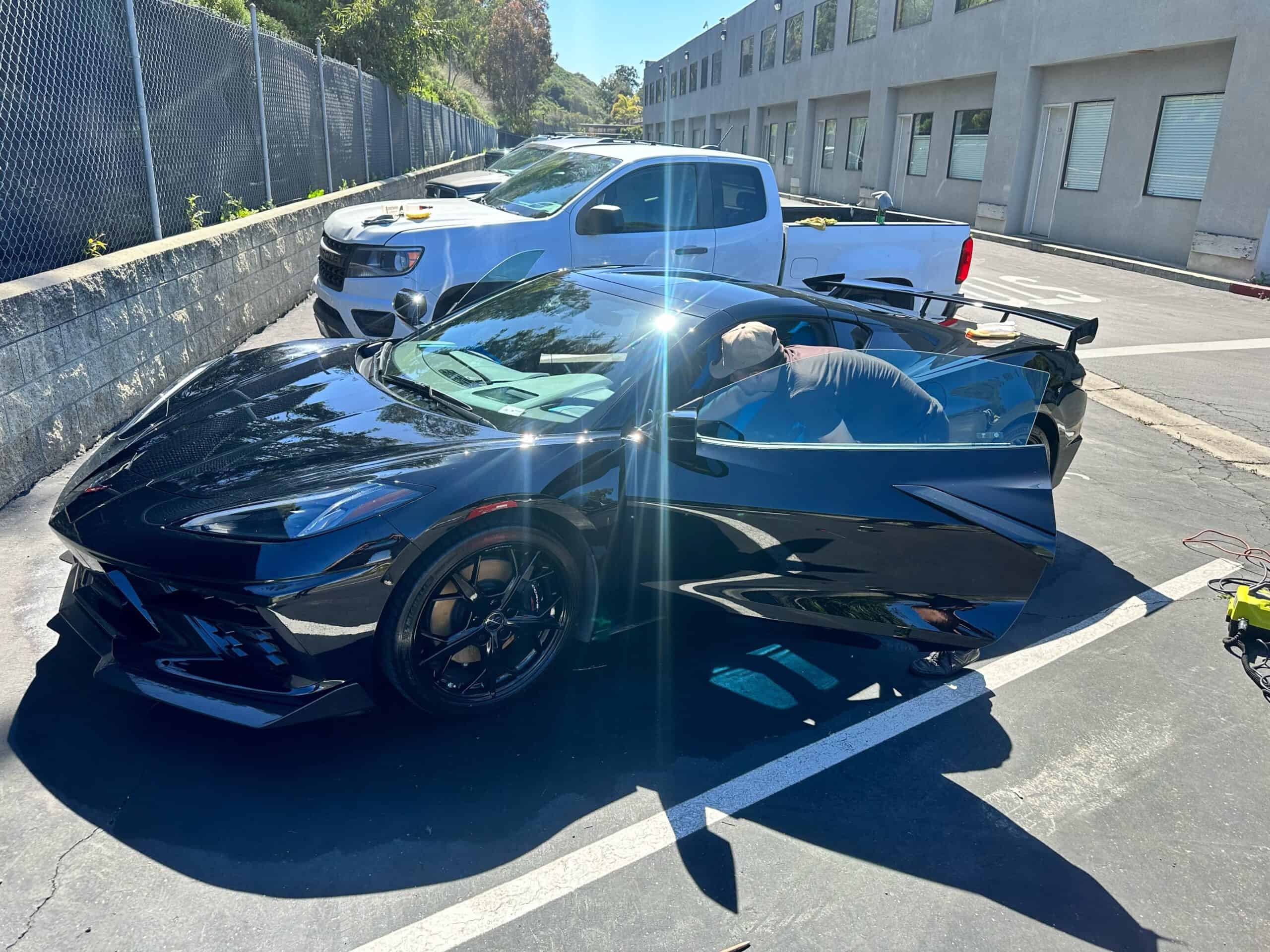
The core value of an on-site mobile service is time savings. Instead of routing vehicles to a central wash facility, the detailing team comes to the fleet yard. That might be a construction site near the border, a distribution center in Otay Mesa, or a municipal lot in National City. The crew sets up with their own water tanks, generators, and eco-friendly shampoo so they do not need access to a tap or power. They can work around the fleet schedule, cleaning vehicles overnight or during lunch breaks when trucks are parked.
I have seen operations where a single mobile unit cleans ten to fifteen fleet vehicles in a day, rotating through a lot without ever moving the trucks off-site. That kind of efficiency frees up drivers and keeps the fleet on the road. It also reduces the carbon footprint of driving each vehicle to a wash bay and back. For a large fleet, those miles add up fast.
Another overlooked benefit is consistency. When the same crew visits weekly or biweekly, they learn the quirks of each vehicle. They know which trucks have the stubborn mud caked in the wheel wells and which vans need extra attention on the cargo area floors. That familiarity leads to better results over time and fewer missed spots.
Beyond Basic Cleaning: Paint Correction and Protection
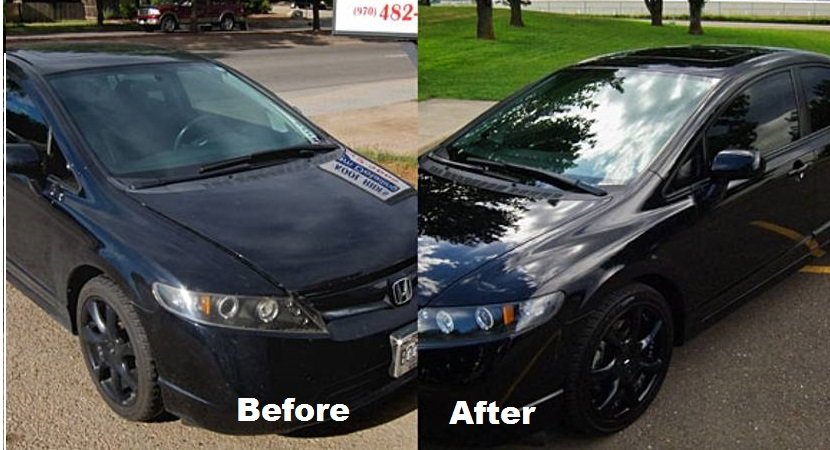
Fleet vehicles take a beating. Sun exposure, road debris, and automated car washes with harsh brushes all degrade the clear coat over time. A fleet that looks faded or scratched sends the wrong message. That is where paint correction comes into play. A mobile detailer can perform a multi-stage process that removes light scratches, swirl marks, and oxidation. The result is a restored gloss that makes even older trucks look sharp.
After correction, a layer of automotive wax or a more durable ceramic coating adds a shield. Ceramic coating bonds to the paint and provides a hydrophobic surface that repels water, dirt, and bird droppings. For a fleet, that means less frequent washing and easier rinsing between full details. UV protection is another factor. San Diego County gets a lot of sun, and UV rays break down paint and plastic trim over time. A good coating slows that damage, preserving the fleet's resale value and appearance.
I speak with fleet managers who initially balk at the cost of paint correction or ceramic coating. They see it as an extra expense on top of regular washing. But when you run the numbers, a well-protected paint job lasts years longer. It also makes the daily wash easier because dirt does not stick as readily. For a veteran-owned business like Near U Mobile Detailing, offering these services on-site means a fleet can get everything done in one stop without losing a day of work.
Interior Care That Drivers Appreciate
Interior detailing is not just about aesthetics. A clean cabin reduces wear on upholstery and carpets, and it improves the driver's work environment. Steam cleaning lifts ground-in dirt and neutralizes odors from food, sweat, or spilled chemicals. For logistics companies that rotate drivers between vehicles, a consistently clean interior also reduces the chance of allergen buildup and respiratory irritation.
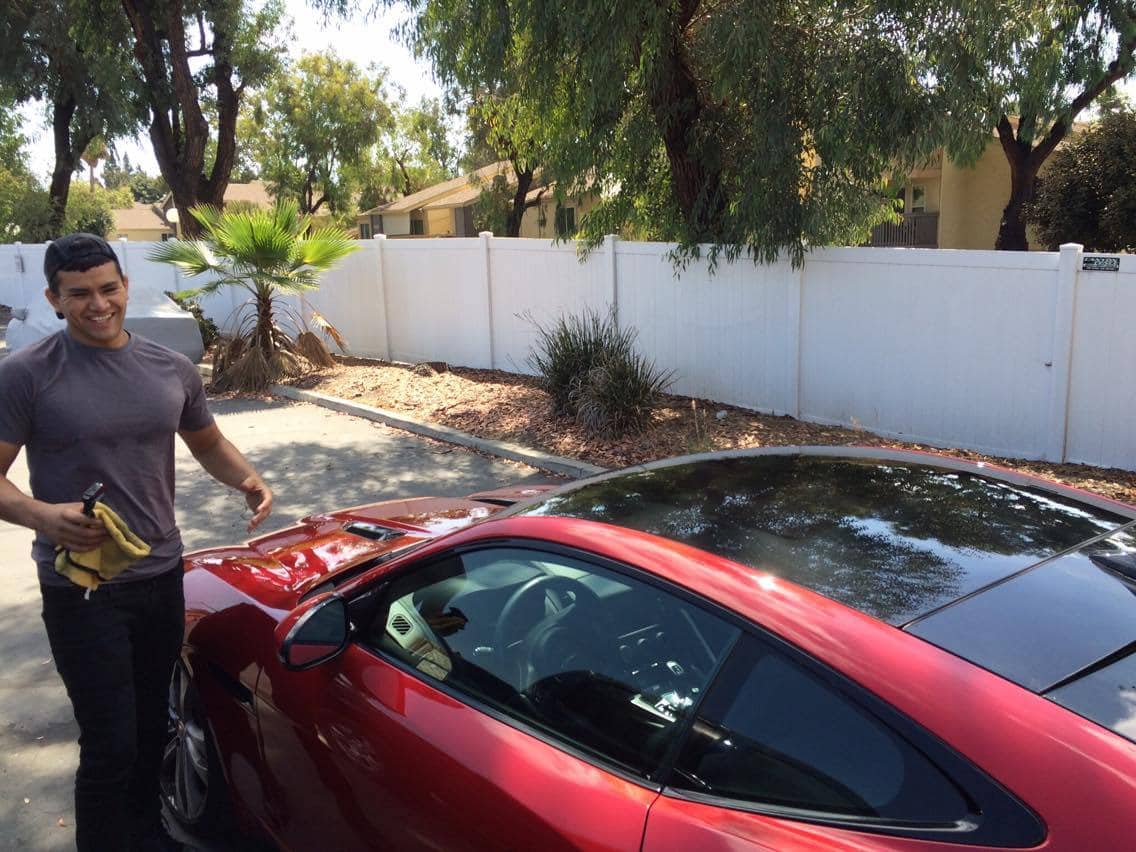
Eco-friendly shampoo is important here. Harsh detergents can leave residues that attract dirt or cause skin reactions for drivers with sensitivities. A responsible mobile detailer uses products that break down safely and rinse cleanly. Microfiber towels are used for wiping down dashboards, steering wheels, and consoles because they trap dust without scratching surfaces. For the exterior, a pressure washer does the heavy lifting on the body and wheels, but the detailer follows up with a hand-dry to prevent water spots.
Practical Considerations for Fleet Managers
If you manage a fleet in Chula Vista or the South Bay, here are a few things to think about when setting up a mobile detailing schedule:
- Frequency: How often do your vehicles need attention? A construction fleet might need weekly exterior washes and monthly deep interiors. A corporate sales fleet could go longer between services.
- Coordination: Can the detailer work during off-hours? Many mobile crews offer early morning or late evening slots to avoid interrupting the workday.
- Water and power: Confirm that the mobile unit is self-contained. Some lots lack hose bibs or accessible outlets, and a true mobile service brings its own supply.
- Service scope: Decide whether you need basic wash and vacuum or a full package that includes paint correction and ceramic coating. Bundling services often saves money.
- Contract terms: Some providers offer per-visit pricing; others give a discount for a recurring weekly contract. Compare both based on your fleet size and budget.
Real-World Observations
I have watched mobile detailing for fleets evolve from a niche offering into a standard practice for many logistics companies and service fleets in the region. The shift is driven by practicality. When a detailer arrives at the lot with a pressure washer, steam cleaner, and a rack of microfiber towels, the whole operation happens in a couple of hours per vehicle. The fleet manager does not have to track which trucks are due for a wash or route them to a distant location. It is all handled on-site.
One detail that often surprises new clients is the attention to wheel wells and tire dressing. A clean set of tires and dark, well-dressed wheel wells makes a truck look newer than it is. For a fleet that still has five years of service ahead, that visual polish builds customer confidence. The same goes for the cab interior. A driver who steps into a clean, fresh-smelling truck starts the shift with a better attitude. That matters for retention and morale.
Another thing worth mentioning is the importance of communication. A good mobile detailer will check in with the fleet manager before each visit to confirm which vehicles are available and whether any have special needs. Maybe a truck came back from a job with paint overspray, or a van had a spill that needs extra steam cleaning. That kind of flexibility is hard to get from a fixed wash bay.
Is Mobile Detailing for Fleets Right for Your Operation?
Every fleet is different. A small business running five commercial vans has different needs than a large logistics company with fifty tractor-trailers. But the underlying logic holds: if you can bring the cleaning to the vehicles, you save time, fuel, and driver hours. For fleets based in the South Bay, the proximity to the border and major freeways means vehicles are constantly in motion. Taking them out of rotation for a wash creates a ripple effect on delivery schedules and service calls.
Mobile detailing for fleets addresses that problem directly. It fits into the workflow rather than disrupting it. The detailer works around the fleet, not the other way around. And because the service is mobile, it can adapt to changes in the fleet's size or location without a long-term commitment to a fixed facility.
I have also noticed that companies with a strong focus on brand image tend to invest more in their fleet's appearance. A clean, well-maintained truck fleet signals professionalism and care. For a veteran-owned business serving the Chula Vista area, that alignment of values - service, precision, and reliability - resonates with clients who expect the same from their own operations.
If you are considering a mobile detailing partner, take the time to visit their setup or ask for a trial run on a few vehicles. Watch how they handle the pressure washer around decals. Smell the cleaning products - they should be pleasant, not chemical. Look at the results in full sunlight. A good detailer will welcome that scrutiny because they take pride in their work.
Ultimately, the decision comes down to whether the convenience and quality justify the cost. For most fleet managers I have worked with, the answer is yes. The time savings alone often cover the expense, and the improved appearance of the fleet pays dividends in customer perception and driver satisfaction. Mobile detailing for fleets is not a luxury. It is a smart operational choice for any company that relies on vehicles to do business.